
اسلاموفوبیا کیا ہے؟ | What is Islamophobia?
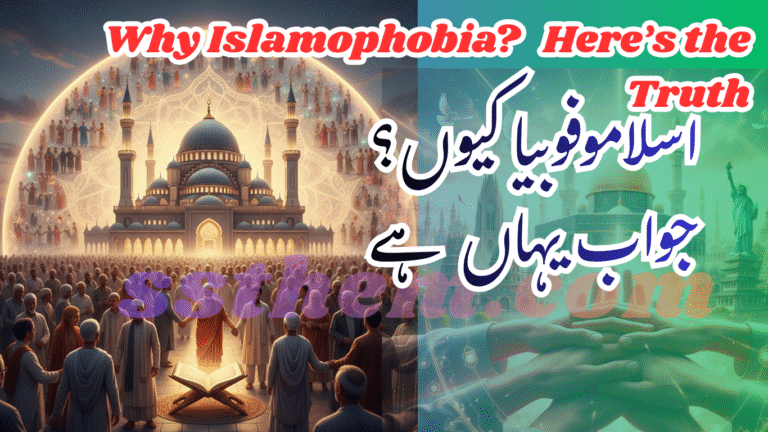
اسلاموفوبیا (Islamophobia) ایک اصطلاح ہے جو اسلام اور مسلمانوں کے خلاف خوف، نفرت، یا تعصب کو ظاہر کرتی ہے۔ یہ رجحان دنیا بھر میں بڑھتا جا رہا ہے، خاص طور پر مغربی ممالک میں، جہاں میڈیا اور سیاست نے مسلمانوں کے خلاف منفی تاثر کو مزید گہرا کیا ہے۔ اسلاموفوبیا نہ صرف ایک معاشرتی مسئلہ ہے بلکہ انسانی حقوق کی سنگین خلاف ورزی بھی ہے۔
Islamophobia is a term used to describe fear, hatred, or prejudice against Islam and Muslims. This phenomenon has been growing globally, especially in Western societies, where media and political narratives often fuel negative stereotypes. Islamophobia is not only a social issue but also a serious violation of human rights.
اسلاموفوبیا کی تعریف | Definition of Islamophobia
اسلاموفوبیا کی تعریف (Definition of Islamophobia) مختلف ماہرین کے نزدیک تھوڑی مختلف ہے، مگر عمومی طور پر یہ کسی بھی ایسی کیفیت کو کہتے ہیں جس میں اسلام یا مسلمانوں کے بارے میں غیر منصفانہ خوف، نفرت، یا تعصب موجود ہو۔ یہ تعصب اکثر غلط فہمیوں، پروپیگنڈے اور تاریخی تعصبات سے جنم لیتا ہے۔
The definition of Islamophobia varies slightly among scholars, but generally, it refers to any form of irrational fear, hatred, or discrimination against Islam or Muslims. Such prejudice often arises from misinformation, propaganda, and deep-rooted historical biases.
اسلاموفوبیا کی وجوہات | Causes of Islamophobia
اسلاموفوبیا کی وجوہات (Causes of Islamophobia) کئی طرح کی ہیں۔ سب سے بڑی وجہ میڈیا میں اسلام اور مسلمانوں کی منفی تصویر کشی ہے۔ “اسلاموفوبیا اور دہشت گردی” (Islamophobia and terrorism) کا تعلق بھی اہم ہے، کیونکہ دہشت گردی کے واقعات کے بعد میڈیا اکثر پورے مذہب کو ذمہ دار ٹھہراتا ہے۔ مزید یہ کہ “اسلاموفوبیا اور بیرونی نفی” (Islamophobia and xenophobia) بھی ایک دوسرے سے جڑے ہیں، جہاں لوگ غیر ملکی یا مختلف ثقافتوں سے خوف محسوس کرتے ہیں۔
The causes of Islamophobia are numerous. One major factor is the negative portrayal of Islam and Muslims in the media. The link between Islamophobia and terrorism is especially significant — media outlets often blame an entire religion for the actions of a few individuals. Additionally, Islamophobia and xenophobia are interconnected, as people sometimes fear what is culturally different or unfamiliar.
اسلاموفوبیا کے اثرات | Effects of Islamophobia
اسلاموفوبیا کے اثرات (Effects of Islamophobia) معاشرتی، نفسیاتی، اور معاشی سطح پر گہرے ہوتے ہیں۔ مسلمانوں کے خلاف امتیازی سلوک (Discrimination against Muslims) تعلیمی اداروں، ملازمتوں، اور سماجی میل جول میں عام ہوتا جا رہا ہے۔ مزید یہ کہ مسلمانوں کے خلاف نفرت آمیز جرائم (Hate crimes against Muslims) میں بھی اضافہ دیکھا گیا ہے۔ ایسے رویے معاشرتی ہم آہنگی کو تباہ کرتے ہیں اور انتہا پسندی کو فروغ دیتے ہیں۔
The effects of Islamophobia are profound — socially, psychologically, and economically. Discrimination against Muslims is increasingly visible in schools, workplaces, and public life. Moreover, hate crimes against Muslims have risen in many countries, further damaging community harmony and fueling cycles of extremism.
اسلاموفوبیا اور نسل پرستی | Islamophobia and Racism
اسلاموفوبیا اور نسل پرستی (Islamophobia and racism) اکثر ایک ہی سکے کے دو رخ ہیں۔ اگرچہ اسلام ایک مذہب ہے، مگر مغرب میں مسلمانوں کو اکثر ایک نسل یا نسلی گروہ کے طور پر دیکھا جاتا ہے۔ اس طرح اسلاموفوبیا دراصل نسل پرستی (racism) کی ایک جدید شکل بن چکا ہے، جو مذہبی شناخت کو نسل کی بنیاد پر امتیاز میں بدل دیتا ہے۔
Islamophobia and racism are two sides of the same coin. Although Islam is a religion, Muslims in the West are often racialized — perceived as an ethnic group rather than a diverse community. Thus, Islamophobia becomes a modern form of racism, turning religious identity into grounds for racial discrimination.
یورپ میں اسلاموفوبیا | Islamophobia in Europe
یورپ میں اسلاموفوبیا (Islamophobia in Europe) ایک بڑھتا ہوا مسئلہ ہے۔ مختلف رپورٹس کے مطابق، یورپی ممالک میں “مسلم مخالف جذبات” (Anti-Muslim sentiment) تیزی سے بڑھ رہے ہیں۔ خاص طور پر فرانس، جرمنی، اور برطانیہ میں، حجاب پہننے والی خواتین اور مسجدوں پر حملوں کے واقعات عام ہیں۔ اس رجحان نے مسلمانوں کو معاشرتی طور پر الگ تھلگ کر دیا ہے۔
In Europe, Islamophobia is an escalating problem. Reports show that anti-Muslim sentiment has been rising rapidly across European countries, particularly in France, Germany, and the UK. Muslim women wearing hijab face harassment, and mosques are frequently targeted — leading to increased social isolation of Muslim communities.
امریکہ میں اسلاموفوبیا | Islamophobia in the USA
امریکہ میں اسلاموفوبیا (Islamophobia in the USA) کی جڑیں 9/11 کے واقعات سے جڑی ہیں۔ اس کے بعد امریکی میڈیا اور سیاست میں مسلمانوں کے خلاف بیانیہ سخت ہوتا گیا۔ اسلاموفوبیا اور دہشت گردی کے بیانیے نے امریکی عوام کے ذہنوں میں اسلام کو خطرہ کے طور پر پیش کیا۔ نتیجہ یہ نکلا کہ “مسلمانوں کے خلاف امتیازی سلوک” اور “نفرت آمیز جرائم” میں اضافہ ہوا۔
In the United States, Islamophobia traces back to the events of 9/11. Since then, anti-Muslim narratives in media and politics have intensified. The Islamophobia and terrorism narrative framed Islam as a threat, resulting in a rise in discrimination and hate crimes against Muslims across the country.
میڈیا میں اسلاموفوبیا | Islamophobia in Media
مثلاً، جب بھی کوئی دہشت گردی کا واقعہ ہوتا ہے، فوراً “اسلام” کا نام سامنے لایا جاتا ہے، مگر جب غیر مسلم افراد ایسے ہی واقعات میں ملوث ہوں، تو انہیں “ذہنی مریض” یا “اکیلا حملہ آور” کہا جاتا ہے۔
The media’s role in Islamophobia is highly influential. Many Western outlets link Islam and Muslims with terrorism or extremism. This biased narrative fuels anti-Muslim sentiment and spreads fear among the public. For instance, when an attack occurs by a Muslim, it is labeled “Islamic terrorism,” but when committed by a non-Muslim, it’s described as an isolated incident or a “mental health issue.”
اسلاموفوبیا کے اعدادوشمار | Islamophobia Statistics
اسلاموفوبیا کے اعدادوشمار (Islamophobia Statistics) ظاہر کرتے ہیں کہ یہ مسئلہ صرف چند ممالک تک محدود نہیں۔ عالمی سطح پر اسلاموفوبیا (Islamophobia globally) میں اضافہ دیکھا گیا ہے۔
مزید یہ کہ سوشل میڈیا پلیٹ فارمز پر بھی “اسلاموفوبیا اور بیرونی نفی” (Islamophobia and xenophobia) کے رجحانات عام ہیں۔
Islamophobia statistics reveal that this issue is not limited to a few nations — Islamophobia globally is on the rise. Research indicates that nearly 60% of Muslims in Europe and the USA experience discrimination or prejudice in daily life. Moreover, Islamophobia and xenophobia are widespread on social media platforms, where hate speech and misinformation are easily amplified.
سوشل میڈیا میں اسلاموفوبیا | Islamophobia in Social Media
الگورتھم اکثر ایسا مواد زیادہ دکھاتے ہیں جو اشتعال انگیز ہو، جس کے نتیجے میں “مسلمانوں کے خلاف امتیازی سلوک” (Discrimination against Muslims) مزید بڑھ جاتا ہے۔
Islamophobia in social media has become a growing concern. Platforms like Twitter and Facebook frequently host hate-filled posts targeting Muslims. Algorithms tend to promote provocative content, resulting in increased discrimination against Muslims and a normalization of prejudice online.
عالمی سطح پر اسلاموفوبیا | Islamophobia Globally
اس رجحان نے دنیا بھر میں مذہبی ہم آہنگی، برداشت، اور امن کے پیغام کو کمزور کیا ہے۔
Globally, Islamophobia has emerged as a grave issue. In many Western nations, Muslims are perceived as a cultural or religious “threat,” while in some Eastern regions, negative attitudes persist as well. This growing trend undermines interfaith harmony, tolerance, and the universal message of peace.
اسلاموفوبیا کا مقابلہ | Combating Islamophobia
اسلاموفوبیا کا مقابلہ (Combating Islamophobia) صرف مسلمانوں کی ذمہ داری نہیں بلکہ عالمی برادری کا فرض ہے۔
سوشل میڈیا پلیٹ فارمز کو بھی اپنی ذمہ داری نبھانی چاہیے تاکہ نفرت انگیز مواد پر پابندی لگائی جا سکے۔
Combating Islamophobia is not only the responsibility of Muslims but of the entire global community. Education, positive media representation, and interfaith dialogue can help reduce Islamophobia and racism. Social media platforms must also play their part by restricting hate-filled content and promoting cultural understanding.
اسلاموفوبیا کے خلاف بین الاقوامی دن | International Day to Combat Islamophobia
اس دن کا مقصد دنیا کو یہ یاد دلانا ہے کہ اسلام امن، انصاف، اور رواداری کا دین ہے۔
یہ دن عالمی سطح پر “مسلم مخالف جذبات” (Anti-Muslim sentiment) کے خلاف یکجہتی اور احترام کا پیغام دیتا ہے۔ The United Nations has declared March 15 as the International Day to Combat Islamophobia. This day reminds the world that Islam stands for peace, justice, and tolerance. It serves as a global message of unity and respect against anti-Muslim sentiment and discrimination.
اسلاموفوبیا بمقابلہ اسلام پر تنقید | Islamophobia vs Criticism of Islam
اسلاموفوبیا بمقابلہ اسلام پر تنقید Islamophobia vs Criticism of Isla کو سمجھنا ضروری ہے۔اسلام پر تنقید تب درست ہوتی ہے جب وہ علمی، باادب، اور حقائق پر مبنی ہو، لیکن جب تنقید نفرت، توہین، یا امتیاز میں بدل جائے، تو وہ اسلاموفوبیا بن جاتی ہے Understanding Islamophobia vs criticism of Islam is crucial. Criticism of Islam is legitimate when it’s respectful and fact-based. However, when it turns into hate, mockery, or discrimination, it becomes Islamophobia — a form of bigotry rather than dialogue.